

Dehydration is often associated with feelings of thirst, tiredness, and headaches, but its impact can go much deeper, particularly when it comes to your cardiovascular health. Many people may not realize that the basic practice of staying sufficiently hydrated can play a significant role in maintaining a fit cardiovascular system. Water, whether it is from a mineral water bottle, pre-packaged drinking water, or even hydrogen-rich water, is crucial for every function in the body, including the heart.
As our bodies lose water throughout the day—through perspiration, urination, and even respiration—it's essential to restore that supply. This is where dependable sources of drinking water, such as water coolers or routine water delivery services, become important. When hydration levels drop, the heart has to exert more effort to pump blood, leading to increased tension and stress on the cardiovascular system. In this piece, we will explore the unexpected ways dehydration can impact heart health and highlight the importance of making sure sufficient water supply is always accessible.
Comprehending Fluid Loss
Dehydration happens when the body loses more fluids than it absorbs, disrupting normal bodily functions. It can stem from multiple factors such as excessive heat, vigorous exercise, or just not consuming enough water throughout the day. Many people undervalue the importance of staying hydrated, often waiting until they experience thirsty to drink. However, by that time, the body may already be going through some level of dehydration, which can have surprising effects on health.
Maintaining proper fluid balance is vital for heart health. When the body is lacks fluids, blood volume declines, leading to increased heart rate and lowered blood pressure. This strain can compel the heart to work harder to pump blood, likely causing complications over time. It becomes critical for people to monitor their fluid intake levels, particularly those with underlying heart conditions or health risks.
Incorporating a steady intake of drinking water, whether through bottled water or dispensers, is crucial for optimal health. Options like mineral water or alkaline water can not only assist in replenishing lost fluids but can also offer additional minerals that benefit overall heart function. Ensuring easy access to adequate water supply through reliable water delivery services can greatly aid individuals in their effort to maintain hydration and protect their heart health.
Types of Drinking Water
When it comes to staying hydrated, the type of consumption water you select can make a significant difference in your health. One popular option is mineral water, which is derived from authentic springs and includes essential minerals like calcium and magnesium. These minerals not only contribute to fluid intake but may also boost heart wellness by helping to manage blood circulation and promote cardiovascular function. Choosing a mineral water bottle can be a tasty way to stay hydrated while also reaping these advantages.
Another frequent choice is packaged drinking water, which can encompass various types such as spring water, purified water, and reverse osmosis (RO) water. RO water is treated through a purification process that removes contaminants and unwanted substances, making it a safe choice for fluid consumption. However, this process can also strip away beneficial elements, so choosing high-quality bottled water is essential for preserving your overall health, including heart health.
Basic water is gaining interest due to its higher pH level and claimed health benefits. Supporters suggest that alkaline water can help balance acid in the body, potentially improving heart function and lowering the risk of chronic diseases. With convenient options like water dispensers and water delivery services, obtaining various kinds of drinking water, including alkaline and mineral water, has never been easier, ensuring that you stay hydrated while supporting your heart well-being.
Impact of Dehydration on Cardiovascular Health
Fluid deficiency can seriously impact cardiovascular health in many ways. When the body is deprived of sufficient hydration, blood volume declines, which can lead to an increase in heart rate as the heart struggles to provide oxygen and nutrients to essential tissues. This strain on the heart and blood vessels can elevate the risk of cardiac problems, notably in those with pre-existing conditions. Inadequate hydration impacts not just the blood, but also the entire functioning of the heart, making it essential to sustain adequate fluid intake.
Additionally, dehydration can cause alterations in crucial minerals and electrolytes found in electrolyte-rich water. These minerals play a vital role in regulating heart rhythms and muscle function, including that of the heart. A shortage of essential elements such as potassium and magnesium can disturb these processes, potentially leading to arrhythmias or other cardiovascular complications. Guaranteeing a proper supply of drinking water, whether from ready-to-drink mineral water or water delivered through coolers, is crucial to promote heart health.
Furthermore, long-term fluid deficiency is linked to higher pressure on the body. When the body is deprived of appropriate fluids, it initiates a stress response that can elevate blood pressure. Over time, chronic hypertension puts added pressure on the heart and arteries, heightening the likelihood of cardiovascular diseases. mineral water supply of water, especially water with high pH or bottled water with essential minerals, helps reduce these risks and promotes overall heart functions.
Selecting the Right Water Supply
Selecting an appropriate water supply is essential for supporting overall health, particularly heart health. With various options available, such as bottled water, natural mineral water, and high pH water, it's important to understand the benefits of each type. Packaged drinking water is handy and often comes in a range of sizes, from single-use bottles to larger jugs suitable for water coolers. On the other hand, natural mineral water, loaded with essential minerals, can support hydration and benefit to cardiovascular health.
When thinking about water for dispensers, opting for a trustworthy water delivery service can significantly improve your daily hydration routine. Many people find it beneficial to have a regular supply of packaged water delivered to their home. This not only guarantees that you always have availability of clean drinking water, but also offers peace of mind knowing that you are committing to quality hydration. Choosing a reputable water supplier can help that the water you consume is adequately filtered and loaded with minerals.
In conclusion, when making a decision on what type of water to purchase, consider your individual health needs and tastes. For those who prefer a crisp taste and added minerals, mineral water bottles are an excellent choice. If you have particular dietary restrictions or requirements, like low sodium or elevated pH, investigate options that align with those needs. By making informed decisions about your water supply, you can support your heart health while also enjoying the benefits of proper hydration.
Staying Well-Hydrated: Tips and Suggestions
Ensuring proper fluid intake is crucial for heart health, and there are various practical strategies to ensure you consume enough fluids each day. One great way is to carry a water bottle with you on the go. This makes it easier to sip throughout the day, whether you're at the office, at the fitness center, or running errands. Choose a bottle that is easy to fill up and matches your aesthetic to promote regular use.
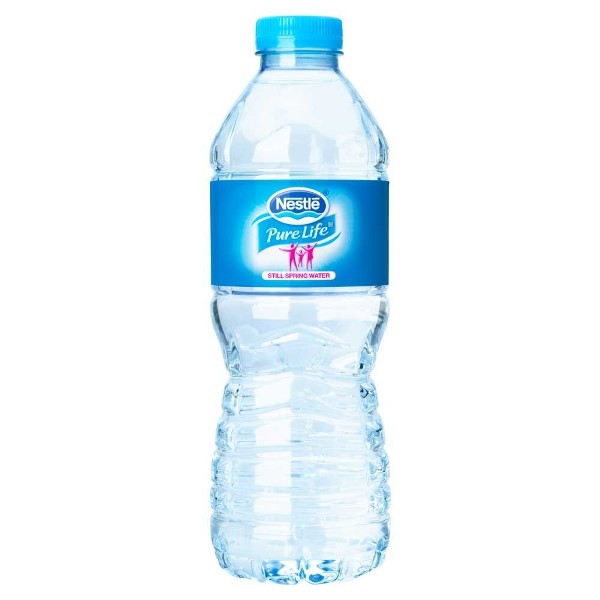
In besides plain water, incorporating mineral H2O into your daily habits can provide important electrolytes that support to overall health. If you prefer a more refreshing option, try out alkaline H2O. This kind of H2O may help regulate your body's pH levels. For workplaces or homes, a water dispenser can be a easy way to access cool and clean drinking water, making it more likely that you will hydrate effectively.
Lastly, if you consider it challenging to keep track of your fluid intake, using a drinking water delivery service can simplify the task. This guarantees you always have an ample supply of bottled drinking at your disposal. Regularly restocking your drinking water supply can help establish a steady hydration routine, ultimately promoting your heart health.